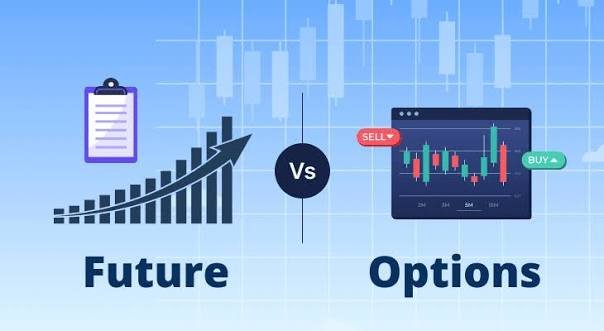
Futures and options are derivative contracts linked to an asset such as a stock, index, commodity or currency. They allow traders to take a view on prices without buying the underlying asset like a regular delivery investor. This makes them useful for hedging and speculation, but more complex than ordinary share trading.
The important difference is how each contract works. Futures create an obligation for both sides, while an option gives the buyer a right without forcing exercise. Futures offer direct exposure. Options offer flexibility and can give buyers a defined maximum loss, but time, volatility and premium affect their value. The choice depends on the trader’s objective, capital and risk control.
What Is Futures Trading?
A futures contract is an agreement to buy or sell an underlying asset at a predetermined price on or before a specified expiry, according to the contract’s rules. Traders normally do not pay the full value of the contract upfront. Instead, they deposit margin and their profit or loss changes as the market moves.
If a futures position gains ₹5 per unit and represents 100 units, the gross gain is ₹500 before charges. A ₹5 move against the position creates the same loss. This linear payoff is easy to understand, but leverage can make the loss large compared with the margin deposited.
What Are Options?
An option gives the buyer the right, but not the obligation, to buy or sell an underlying asset at a fixed strike price before or at expiry, depending on the contract. A call option is generally connected with a possible rise in price, while a put option is generally connected with a possible fall or protection against a decline.
The buyer pays a premium for this right. If a call has a strike of ₹100, a premium of ₹3 and finishes with the underlying at ₹105, the result before charges is approximately ₹2 after the premium. If the underlying finishes below the strike, the option may expire worthless and the buyer’s maximum loss is normally the premium. Option selling has a different risk profile.
Futures and Options: Key Differences
1. Obligation Versus Right
A futures trader is committed to the contract’s profit and loss. If the market moves against the position, the trader must provide funds when required or close the trade. The payoff moves almost directly with the underlying asset.
An option buyer can choose not to exercise, because the premium buys flexibility. The seller receives the premium but accepts the contract obligation. Buying and selling options have very different risks.
2. Capital and Leverage
Futures require margin rather than the full contract value. This creates leverage and allows a larger position with less cash, but losses can be magnified and the broker may ask for more funds.
An option buyer generally pays the premium, making the initial outlay smaller and the maximum loss clearer. A low premium does not mean success is likely. Option sellers usually need margin and can face large losses.
3. Time and Expiry
Both have expiry dates, but time affects them differently. A futures position reflects the underlying price until it is closed or expires, while funding, rollover and settlement rules matter.
An option can lose value as time passes even when the underlying does not move. This time decay means the buyer must be correct about direction and timing. A correct direction call can still lose if the move arrives too late.
4. Profit and Loss Behaviour
Futures usually have a direct relationship with the underlying. A long position generally gains when the asset rises and loses when it falls; a short position works in reverse. Futures do not have a built-in maximum loss simply because they use a margin deposit.
Options have an asymmetric payoff. A buyer may lose only the premium, while a seller may face a very large loss, especially with an uncovered position. The full payoff matters more than the premium received or paid.
5. Flexibility and Strategy Choices
Futures are often preferred for clear directional exposure or to hedge a similar portfolio. They can also be used in spreads, but the basic contract is direct.
Options offer calls, puts, spreads and protective strategies for views on direction, volatility and time. This requires knowledge of strike price, premium, implied volatility, expiry and time value.
6. Risk and Emotional Pressure
Futures can produce rapid gains and losses because of leverage. A trader may face a margin call or forced closure if funds are insufficient. Risk limits and position sizing are essential.
Options can appear safer because a buyer’s loss is limited to the premium, but repeated options expiring worthless can reduce capital. Selling options creates pressure. Both products require an exit rule and a clear worst-case calculation.
Which Works Better for You?
Futures may suit an experienced trader who wants direct exposure, understands margin and can manage a potentially large loss. They may also suit a hedger. They are not ideal for someone unable to respond to a margin call or uncomfortable with large price swings.
Options may suit a trader who wants flexibility or a defined maximum loss when buying contracts. Pricing is more complex, and option selling requires understanding margin, assignment, liquidity and the full loss scenario.
Beginners should not choose either product simply because it appears to require less money than buying shares. A smaller payment can create larger exposure. Learning, simulation and small risk limits matter more than headline returns.
Final Thoughts
Futures are direct, but leverage can create losses. Options are flexible and can limit a buyer’s loss to the premium, but time decay and volatility make them harder to price. Option selling carries a different risk from buying.
Use futures when direct exposure or a straightforward hedge is the priority. Consider options when flexibility, defined buyer risk or protection matters more. In both cases, understand the contract, calculate the worst case and protect capital first.
Frequently Asked Questions
Q1. Can an option buyer lose money even when the market moves in the right direction?
Yes. The move may be too small, too slow or already reflected in the premium. The underlying price must move far enough to cover the premium, charges and the effect of time decay. Direction alone does not guarantee an option profit.
Q2. Why do futures and spot prices sometimes differ?
The futures price can reflect time remaining until expiry, interest costs, expected dividends, storage costs or demand for the contract. The difference may reduce as expiry approaches, but the exact relationship depends on the underlying asset and market conditions.
Q3. What does rolling over a futures position mean?
Rollover means closing a futures contract that is nearing expiry and opening a similar position in a later-expiry contract. The new contract may trade at a different price, and the trader must account for the cost, price difference, margin and liquidity before rolling over.
Q4. Can futures and options be used together?
Yes. Traders may combine them in hedges, spreads and other structured strategies. Combining contracts can reduce or reshape a particular risk, but it also makes the position harder to monitor. The trader should understand how the contracts behave together in rising, falling and sharply volatile markets.