A vehicle dealership cannot safely operate with no registration or approval at all. The exact legal requirement depends on whether it sells new vehicles, deals in registered used vehicles, keeps unregistered vehicles in stock or performs registration work for customers. These activities are governed by different parts of the motor vehicle framework.
The owner may choose a sole proprietorship and therefore may not need to incorporate a company or LLP. That limited point is sometimes misunderstood as permission to open an unregistered showroom. A dealership still needs the local business registrations, tax registration when applicable and transport-department approvals required for the vehicles it handles.
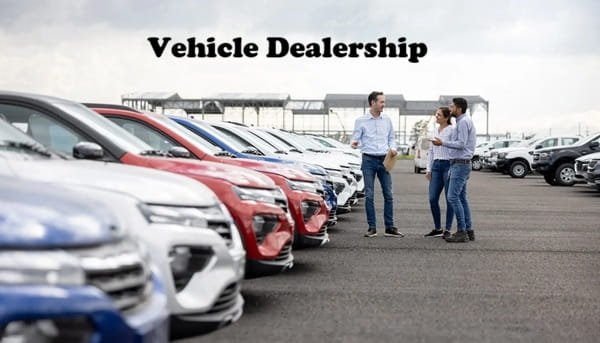
A new-vehicle dealer commonly needs a trade certificate so that unregistered stock can be possessed and used for permitted business purposes without individual registration. A business that buys and sells already registered vehicles may need authorisation as a dealer of registered vehicles under the Central Motor Vehicles Rules.
Manufacturer appointment is another separate issue. A person cannot present a showroom as an authorised outlet of a vehicle brand without the manufacturer’s permission, even if all government registrations have been obtained.
Business Registration and Dealer Approval Are Different
Business registration establishes who owns the dealership. A company and LLP are incorporated under central law, while a sole proprietorship is generally recognised through its tax and local registrations. The dealership may also require Shops and Establishments registration, a municipal trade licence and permission to use the premises as a showroom, workshop or stockyard.
Transport approval deals with the vehicles and dealer functions. Incorporating a company does not grant a trade certificate. Conversely, a trade certificate does not replace GST, local land-use, fire-safety or labour compliance.
Trade Certificate for New and Unregistered Vehicles
Section 39 of the Motor Vehicles Act generally requires a motor vehicle used in a public place to be registered. The Central Motor Vehicles Rules provide a dealer-related exemption when the vehicle is in the possession of an eligible dealer or manufacturer and a valid trade certificate has been obtained.
The dealer applies to the registering authority for a trade certificate and trade registration marks. The certificate is issued for the authorised classes of vehicles. Current electronic procedures may require the prescribed online application and a manufacturer’s authorisation document for a dealer.
A trade certificate does not permit unrestricted road use. An unregistered vehicle may be driven under the certificate only for purposes allowed by the rules, such as a reasonable test or trial, delivery, inspection, registration-related movement or movement connected with repairs. The trade mark cannot be lent to another business or used on several vehicles at the same time contrary to the rules.
Dealer Point Registration Services
Many States allow authorised dealers to submit temporary or permanent registration applications through the dealer-point system. Access to that system is not automatic. The dealer generally has to approach the transport authority, hold a valid trade certificate and satisfy the technical and documentary conditions of the State.
Customer documents, tax payments and vehicle details must be entered correctly. A dealer should not collect registration charges without providing receipts or delay submission after delivering the vehicle. The sales certificate, invoice, roadworthiness documents and insurance information must match the vehicle supplied.
Test Drives Delivery and Insurance
A dealership should have a controlled test-drive procedure. It should verify the prospective driver’s licence, record the vehicle and route, ensure that the trade certificate permits the journey and maintain appropriate insurance. A trade certificate does not excuse dangerous driving or allow a customer to keep an unregistered vehicle for personal use.
Before delivery, the dealer should confirm payment, insurance, temporary or permanent registration status and the documents handed to the buyer. Delivery of an unregistered vehicle for unrestricted road use can expose both the dealer and customer to enforcement and insurance problems.
Dealers in Registered Used Vehicles
A used-vehicle dealership handles vehicles that already have registration certificates. The Central Motor Vehicles Rules provide an authorisation framework for dealers of registered vehicles. It enables prescribed electronic intimation when an owner delivers a vehicle to an authorised dealer and creates records for trips, custody and transfer-related work.
The authorisation is important because mere physical possession does not transfer legal ownership. The dealer should record the seller’s identity, vehicle documents, delivery date, outstanding finance, pending challans and transfer instructions. Sale proceeds should not be treated as completing the transfer until the prescribed ownership process is finished.
Manufacturer Authorisation and Brand Claims
Government registration does not create a franchise relationship. A dealership using a manufacturer’s name, logo, warranty programme or authorised-dealer description needs the manufacturer’s appointment. An independent multi-brand reseller must describe itself accurately and should not imply that buyers will receive manufacturer benefits that are unavailable.
Workshop activity may require separate pollution, waste-disposal, fire-safety and local permissions. Handling batteries, used oil, tyres and damaged parts should follow the applicable environmental and safety rules.
Tax and Consumer Responsibilities
GST registration and invoicing must be handled according to the dealership’s turnover and transactions. Used-vehicle dealers should examine whether the second-hand-goods margin valuation rule applies to a particular sale. Input tax credit, refurbishment and finance-linked transactions require proper accounting.
The customer should receive a clear invoice, delivery note, warranty information and an honest description of the vehicle. Odometer tampering, concealment of accident damage, false service history or misrepresentation of registration status can lead to consumer and criminal proceedings.
Consequences of Operating Without Required Approval
The transport authority can refuse dealer-point access, take action against the trade certificate or authorisation, and proceed against unlawful use of unregistered vehicles. Tax and municipal authorities may impose separate consequences for missing registrations or unauthorised premises.
A dealership can also become responsible for customer losses when transfer papers are not filed, finance remains recorded or an unregistered vehicle is used improperly. Later registration does not erase earlier false documents or unauthorised road use.
How to Start a Vehicle Dealership Legally
- Decide whether the business will sell new vehicles, used vehicles or both.
- Choose the legal structure and obtain the local registrations required for the premises.
- Secure written manufacturer appointment before claiming authorised-brand status.
- Apply for the appropriate trade certificate for unregistered vehicle stock.
- Obtain authorisation for dealing in registered vehicles where the used-vehicle rules apply.
- Complete dealer-point approval if the business will submit vehicle registrations.
- Set up GST invoices, custody records, transfer documents and customer disclosures.
- Obtain separate workshop, fire and environmental permissions where needed.
Frequently Asked Questions
1. Can a sole proprietor open a vehicle dealership?
A sole proprietor may own the business, but the dealership must still obtain applicable local, tax and transport approvals. Sole proprietorship does not remove the trade-certificate requirement.
2. Is a trade certificate the registration certificate of every vehicle?
It is not. A trade certificate permits specified dealer use of eligible unregistered vehicles. The vehicle must still be registered in the buyer’s name through the prescribed process.
3. Can a dealer use an unregistered vehicle for personal travel?
A trade certificate allows only the purposes stated in the motor vehicle rules. Personal or unrelated road use is not converted into lawful use merely by displaying a trade mark.
4. Does a used-car dealer need a trade certificate?
A trade certificate mainly concerns unregistered vehicles. A used-vehicle business may instead require authorisation as a dealer of registered vehicles and must follow ownership-transfer and custody procedures.
5. Can a showroom call itself an authorised dealer after business registration?
Government business registration does not provide manufacturer authorisation. The showroom needs a genuine appointment from the brand before using that description or offering brand-backed benefits.