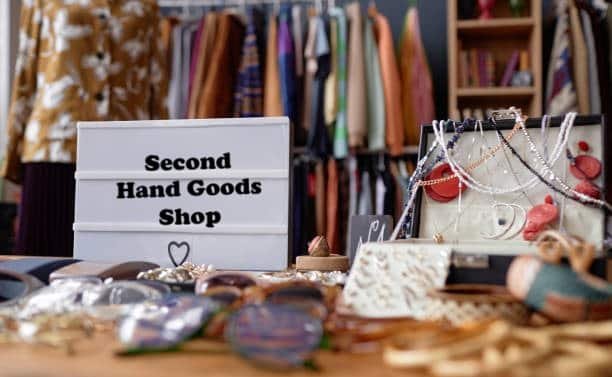
A second-hand goods shop is legal in India when it sells lawfully acquired products and follows the registrations that apply to its location and stock. There is no single all-India licence covering every shop that sells used furniture, appliances, books, clothing or household items.
The absence of one universal licence does not make the trade unregulated. The owner may need Shops and Establishments registration, a municipal trade licence and GST registration when the statutory conditions are met. Local police rules may also require records or permission for dealers in specified categories of used property.
The most important legal risk is the source of the goods. A shop should be able to identify the seller and show when and how an item was acquired. Bharatiya Nyaya Sanhita provisions dealing with stolen property can apply where a person dishonestly receives or retains property knowing or having reason to believe that it is stolen.
Product-specific laws remain important. Used vehicles, electronic waste, batteries, antiques, jewellery and pledged goods cannot always be handled in the same manner as ordinary second-hand household items.
No Single Licence Covers Every Used Goods Shop
The legal form of the business may be a sole proprietorship, partnership, LLP or company. A sole proprietor does not receive a separate incorporation certificate, but the shop is still identified through the owner’s tax details and applicable registrations. The municipal authority may regulate the premises, signboard, storage and nature of trade.
The shop should check the exact description used in the local trade-licence schedule. A licence for ordinary retail activity may not cover a scrapyard, pawn business, vehicle dealership, e-waste operation or repair workshop.
Verify the Source of Every Item
A practical purchase record should contain the seller’s name, address, phone number, identity details, date, item description, serial number where available and purchase price. The seller should sign a declaration that the item belongs to the seller and is not stolen, pledged or subject to another person’s claim.
For electronics, bicycles, cameras, tools and other items that can be individually identified, photographs and serial numbers are useful. Cash purchases from unknown persons without any record create avoidable risk. Suspicious goods, removed identification marks or an implausibly low price should lead to further verification rather than an immediate purchase.
A declaration from the seller is helpful evidence but is not a complete defence when the circumstances clearly suggest that the goods may be stolen. The shop should cooperate with lawful police enquiries and preserve the purchase trail.
Local Police and Municipal Requirements
Police laws and local orders in some jurisdictions allow authorities to regulate dealers in second-hand property, scrap, pawned articles or specified goods. They may require a dealer to maintain a register, report suspicious transactions, permit inspection or obtain a particular licence.
Because these requirements are local, the owner should ask the municipal licensing section and the local police licensing branch about the exact stock categories. A general statement that no police permission is required anywhere in India would be unsafe.
Special Rules for Particular Goods
Used Electronics and Batteries
Selling a working used appliance is different from collecting and processing e-waste. A business that refurbishes covered electrical or electronic equipment, dismantles unusable products or handles waste batteries may fall under environmental rules and registration systems. Unusable stock should be transferred only through lawful waste channels.
Used Motor Vehicles
A used car or two-wheeler shop must follow the motor vehicle rules for authorised dealers of registered vehicles, custody records and ownership transfer. Keeping the registration certificate in the previous owner’s name after the vehicle is sold creates risk for the buyer, seller and dealer.
Antiques Jewellery and Pledged Goods
Antiquities and certain art objects are subject to a specialised legal framework. Precious-metal and jewellery transactions may trigger identity, tax and record requirements. A business that advances money against goods may be treated as a pawnbroker or money-lender under State law rather than as an ordinary second-hand shop.
GST and the Margin Scheme
GST registration depends on the applicable turnover and compulsory-registration rules. For a registered dealer buying and selling second-hand goods, Rule 32(5) of the CGST Rules may allow taxable value to be calculated on the difference between selling price and purchase price when the conditions are satisfied and no input tax credit was taken on the purchase.
The margin scheme is a valuation method, not an exemption from record keeping. The dealer must preserve purchase and sale details and determine whether repair or processing has changed the nature of the goods. A tax professional should review mixed stock and high-value transactions.
Consumer Rights and Product Disclosure
Used goods should be described honestly. The invoice should identify the item, price, known defects, accessories, warranty if any and return terms. Writing ‘second-hand goods sold as is’ does not permit concealment of a dangerous defect or a false claim about condition, age or ownership.
Electrical products should be checked for basic safety before resale. Personal data must be erased from phones, computers and storage devices. A shop that offers repair or refurbishment should separate those charges and state whether replacement parts are new or used.
The dealer should also check whether a product has been recalled or is prohibited from sale. Children’s products, pressure appliances and electrical goods can create serious risk when safety parts are missing, even if the cosmetic condition appears acceptable.
Online Sale of Second Hand Goods
Selling through a website or marketplace does not remove business, tax or consumer responsibilities. The listing should accurately identify the seller and product condition. A shop operating through social media should still issue receipts and preserve seller and buyer records.
Marketplace terms may require additional verification or restrict certain goods. Counterfeit products, recalled items, weapons, medicines and other controlled goods should not be listed merely because they were acquired second-hand.
How to Open a Second Hand Goods Shop Legally
- Define the product categories and exclude goods requiring approvals the business does not hold.
- Choose the business structure and confirm municipal permission for the premises.
- Obtain Shops and Establishments, trade and GST registrations when applicable.
- Check local police requirements for second-hand dealers, scrap and pawned goods.
- Create a seller-verification form and stock register with serial numbers and photographs.
- Set up safe testing, refurbishment, data-erasure and waste-disposal procedures.
- Issue detailed invoices and disclose known defects and warranty terms.
Frequently Asked Questions
1. Can a second-hand shop buy goods without the seller’s ID?
It is unsafe and may breach local record requirements. Identity and ownership records help the shop show that it took reasonable steps to avoid stolen property.
2. Is GST charged only on the dealer’s profit margin?
The margin valuation method may apply when the dealer is registered and all conditions under Rule 32(5) are satisfied. It does not automatically apply to every resale transaction.
3. Can a used item be sold without any warranty?
Warranty terms can be limited if they are clearly disclosed, but the seller should not hide defects or make false statements. Consumer remedies may still apply to misrepresentation or unsafe goods.
4. Can a second-hand shop sell old phones and laptops?
Working devices may be resold after ownership, condition and data erasure are checked. Refurbishing or handling unusable electronic waste may bring additional environmental obligations.
5. What happens if stolen goods are found in the shop?
The goods may be seized and the circumstances investigated. Dishonest receipt or retention of stolen property can lead to criminal liability, while proper purchase records help establish how the shop acquired the item.