Opening a fitness centre involves more than renting a hall, buying equipment and hiring trainers. Before accepting members, the owner must check whether the premises can legally be used for a gym and which local registrations or licences apply.
A fitness centre is a lawful business in India, but it cannot ignore a registration, licence or approval that is mandatory for its setup. At the same time, there is no single nationwide “fitness centre registration” that every gym owner must obtain in exactly the same form. Requirements depend on the location, premises, business structure and services offered.
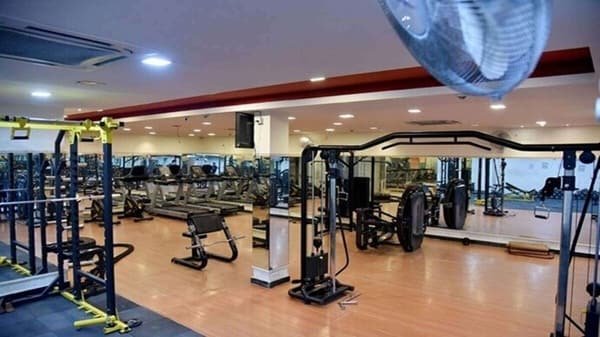
The real question is whether the establishment has completed every registration and permission that actually applies to it.
What Does “Registration” Mean for a Fitness Centre?
“Registration” can mean Shops and Establishments registration, a municipal trade or health trade licence, GST registration, company or LLP registration, or another approval connected with the premises or services.
These are not interchangeable. Incorporating a company does not automatically permit a gym at a particular address. A proprietorship may operate without company incorporation while still needing municipal, labour, tax or other statutory compliance.
Local rules can be specific. For example, the Municipal Corporation of Delhi publishes a Health Trade Licence policy for fitness centres and gymnasiums. Owners should check the rules of the actual municipal area rather than rely on a generic India-wide checklist.
Which Registrations and Approvals Should You Check?
Treat the following as areas to verify for the proposed centre. They are not an identical compulsory package for every gym in India.
Municipal Trade or Health Trade Licence
The local municipal corporation or urban local body may require a trade licence, health trade licence or another operating permission. The category may be described as a gymnasium, fitness centre, health club or similar trade.
Confirm that the activity is permitted at the selected address and that the licence category covers the services offered. A licence held by a previous tenant or issued for a different trade should not be assumed to cover a new fitness centre.
Shops and Establishments Compliance
Check the Shops and Establishments law applicable in your state or Union Territory. Depending on the local procedure, the establishment may have to be registered or an online intimation may have to be filed.
These laws commonly deal with working hours, weekly holidays, employment conditions and records. Completing this requirement does not replace a separate municipal licence where one is required.
Land Use and Building Permission
A gym should operate from premises where the proposed commercial activity is permitted. A building may be physically suitable but still have restrictions on its sanctioned use, floor, basement or occupancy.
Review the building use, lease or ownership papers and any applicable society or complex rules before spending heavily on interiors. A landlord’s consent cannot override a restriction imposed by the competent authority.
Fire Safety Requirements
Whether a separate fire NOC or fire safety certificate is required depends on local rules and factors such as building height, floor area, occupancy and basement use.
Even where a separate certificate is not prescribed, exits, electrical installations, extinguishers and evacuation arrangements should meet applicable safety conditions. Equipment should not block an approved exit or staircase.
GST Registration
GST registration is a tax requirement, not permission to operate a fitness centre. Whether it is compulsory depends on the registration provisions applicable to the business, including aggregate turnover and any relevant exceptions.
A GST number therefore does not prove that the premises are approved for gym use. Tax registration and local operating permission should be checked separately.
FSSAI Registration or Licence for Food Sales
If the centre operates a juice counter, prepares protein shakes, sells food products or otherwise carries on a food business, FSSAI registration or a licence may be required according to that activity.
Do not assume that permission to run the gym automatically covers a food counter. Check the food-business requirement before selling or serving edible products from the premises.
Can You Run a Fitness Centre From Home or Residential Premises?
Running a gym from a house, flat or residential building is not automatically legal merely because the owner lives there or owns the property. The key question is whether local land-use, building and municipal rules allow customers to visit for that commercial activity.
A home fitness studio can raise issues involving customer movement, noise, parking, structural load and housing society conditions. Heavy equipment and group sessions can make it very different from ordinary home-based office work.
Confirm whether the activity is permitted at the property and whether any required operating licence can be issued for that address before advertising memberships. Landlord or society consent cannot legalise a use prohibited by the competent authority.
What Happens If You Operate Without Required Registration?
The consequences depend on what has been missed. Failure to complete an applicable licence, establishment registration, fire requirement or tax registration can lead to notices, prescribed penalties, suspension, sealing or other action where legally authorised.
There is no single nationwide fine for an “unregistered gym.” The authority, violation and governing law matter. Compliance with one registration also does not excuse non-compliance with another.
Registration does not protect a business from liability for unsafe equipment, negligent supervision or misleading claims. Equipment should be maintained, staff should be competent and emergency procedures should be clear.
How to Start a Fitness Centre Legally
1. Define the services. Decide whether the centre will offer a gym, group classes, yoga, personal training or additions such as physiotherapy, nutrition counselling or food sales. Extra services can create extra requirements.
2. Check the premises before signing. Confirm permitted use, floor restrictions, building approvals, lease conditions and applicable society or complex rules before installing equipment.
3. Obtain the local checklist. Contact the municipal licensing authority and state labour department. Where relevant, check fire requirements and any specific policy for gyms, health clubs or fitness centres in that city.
4. Choose the business structure. A centre may operate as a proprietorship, partnership, LLP or company. Complete the formalities for that structure without confusing incorporation with premises approval.
5. Complete applicable tax and employee compliance. Check GST liability and the labour requirements that apply to your workforce. Maintain the records required under the applicable laws.
6. Check additional activities separately. Obtain the appropriate food registration or licence before carrying on a food business. If services are presented as medical treatment or rehabilitation, verify whether separate professional or establishment rules apply.
7. Open after mandatory approvals are in place. Keep licences organised, display them where required and track renewal dates. Recheck the position when changing the address, ownership or services.
Frequently Asked Questions
Q1. Can I open a fitness centre as a sole proprietor without registering a company?
A gym does not have to be incorporated as a private limited company merely because it is a fitness business. A sole proprietorship may be possible. However, municipal, establishment, tax, fire and other requirements that apply to the business and premises must still be completed.
Q2. Does a gym trainer need a government fitness licence in India?
There is no single central licence that every general fitness trainer must hold before working anywhere in India. Training and recognised fitness qualifications can still be important for competence and customer safety. Different rules may apply to services falling within a regulated medical or healthcare profession.
Q3. Can I start the gym while a licence or registration application is pending?
Do not assume that filing an application gives permission to begin operations. Check whether the particular scheme allows commencement on filing, provides provisional approval or requires the final certificate first. A payment receipt alone should not be treated as an operating licence unless the rules say so.
Q4. Do I need FSSAI registration if I sell protein shakes or snacks?
If the centre carries on a food business by preparing, serving or selling food or beverages, the FSSAI licensing or registration rules should be checked for that activity. This is separate from the permission to run the fitness centre itself.
Q5. Does a fitness franchise licence cover my new outlet automatically?
Do not assume so. A franchise agreement gives contractual rights to use the brand and business system, but local licences and premises approvals are usually connected to the actual operator and location. Verify what must be obtained or amended for the new outlet before opening.