A serious illness can create two financial problems at the same time. Hospital bills may rise quickly, while the patient may also need to stop working for weeks or months. Normal health insurance can help with eligible medical expenses, but it may not replace lost salary, home loan EMIs, household expenses or the cost of modifying daily life after a major diagnosis.
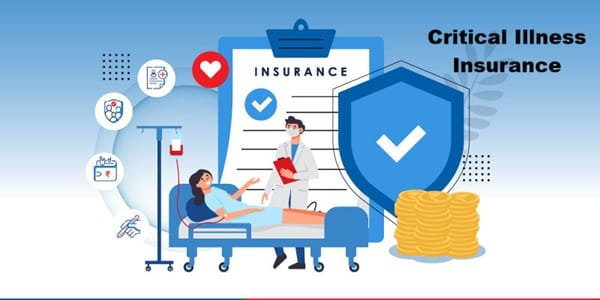
This is where critical illness insurance can provide an additional financial cushion. Unlike a regular indemnity health policy that reimburses eligible medical expenses, a benefit-based critical illness policy generally pays a predefined lump sum when the insured is diagnosed with a covered illness and satisfies the policy conditions.
Buying this protection early can be useful because health insurance pricing takes factors such as age, medical history and current health status into account. It also gives the policyholder time to complete applicable waiting periods before the risk of serious illness becomes higher.
What Is Critical Illness Insurance?
Critical illness insurance provides a fixed benefit when the insured experiences a specified serious medical condition covered by the policy.
Covered illnesses differ between products but can include conditions such as:
- Certain cancers
- Heart attack meeting the policy definition
- Major organ transplant
- Kidney failure
- Stroke
- Coronary artery bypass surgery
- Other specified serious conditions
The policy does not cover every serious disease automatically. The diagnosis must satisfy the exact medical definition stated in the policy.
Critical illness protection may be available as:
- A standalone health insurance policy
- An add-on to another health policy
- A rider attached to a life insurance policy
LIC, for example, currently lists a Critical Illness Health Rider among its available rider products.
1. Buying Younger Can Make Coverage More Affordable
Age is one of the factors insurers use when pricing health insurance.
IRDAI states that insurers can consider factors including:
- Age
- Health status
- Past illness or surgery
- Family history
- Occupation
- Habits
- Morbidity risk
when determining health insurance pricing.
A healthy person purchasing coverage at 30 may therefore have access to more favourable options than the same person applying much later after developing several medical conditions.
This does not mean every critical illness policy guarantees the same premium forever. Pricing structures vary by product. The advantage is mainly that you seek insurance before age and health make underwriting more difficult.
2. You Can Complete Waiting Periods Earlier
Critical illness policies can contain an initial waiting period during which a newly diagnosed illness may not qualify for payment.
The exact period depends on the product.
Some policies may also apply waiting periods relating to pre-existing medical conditions. Under IRDAI’s current framework, health insurance waiting periods, including PED waiting periods, cannot generally exceed 36 months.
Buying coverage earlier means these waiting periods start earlier.
For example, if a person buys suitable cover at 30 and remains continuously insured, applicable waiting periods may already be behind them by the time they enter an age when serious illness risk becomes greater.
Waiting until symptoms appear can be too late.
3. Existing Medical Conditions Can Make New Coverage Harder
One of the strongest reasons to buy insurance before it is urgently needed is underwriting.
If you apply after being diagnosed with a significant condition, the insurer may evaluate:
- Medical reports
- Current medication
- Previous surgery
- Family history
- Severity of illness
- Other related risk factors
Depending on the product, the proposal may be accepted on particular terms or may not be available in the form you expected.
IRDAI specifically tells buyers to disclose all pre-existing health problems and warns that concealing them can create claim disputes and even result in rejection or cancellation.
Buying while healthy does not guarantee every future claim, but it reduces the risk of discovering only after diagnosis that suitable new coverage is difficult to obtain.
4. The Benefit Can Be Used Beyond Hospital Bills
A major advantage of benefit-based critical illness insurance is that payment is not necessarily linked to the exact hospital bill in the same way as an indemnity policy.
IRDAI distinguishes between indemnity policies and benefit-based policies. When the insured event occurs under a benefit policy, the specified benefit is payable according to the policy terms.
That lump sum can help with costs such as:
- Home loan EMI
- Rent
- Children’s school fees
- Household expenses
- Loss of salary
- Travel for specialised treatment
- Rehabilitation
- Home-care requirements
This makes critical illness insurance especially relevant for a family’s main earning member.
5. It Complements Normal Health Insurance
Critical illness insurance should generally not be viewed as a replacement for comprehensive medical insurance.
The two policies solve different problems.
Regular Health Insurance
Usually pays eligible hospitalization and medical costs, subject to the sum insured and policy conditions.
Critical Illness Insurance
Usually pays the specified benefit after a qualifying diagnosis, regardless of whether the actual hospital expense equals that benefit.
For example, suppose:
- Health insurance cover: ₹10 lakh
- Critical illness cover: ₹20 lakh
A qualifying cancer treatment might generate medical bills payable under the health policy, while the critical illness benefit could provide additional money for income loss and other household needs.
The two layers can therefore work together.
6. It Protects Long-Term Savings
Without sufficient protection, a serious illness can force a family to use money originally meant for:
- Retirement
- Children’s education
- Home purchase
- Emergency fund
- Long-term investments
A lump-sum critical illness benefit can reduce the need to liquidate these assets immediately.
This is particularly important when treatment prevents the insured from working for an extended period.
7. Early Cover Can Protect Long-Term Loan Repayment
Someone with a long home loan may be able to manage the EMI comfortably while working.
A serious diagnosis can change that very quickly.
Suppose a borrower has:
- Home loan EMI: ₹35,000
- Household expenses: ₹40,000
- Temporary inability to work for six months
Even if medical insurance pays most hospitalization costs, the family still needs substantial cash to maintain ordinary expenses.
Critical illness coverage can provide a temporary financial bridge while the patient focuses on treatment and recovery.
8. You May Be Able to Buy a Larger Cover While Healthy
Insurers assess the amount of coverage they are willing to offer according to product and underwriting rules.
Applying when younger and healthier can make it easier to obtain the desired coverage than waiting until serious medical problems have already developed.
The appropriate amount should be linked to the financial impact of a serious diagnosis rather than simply choosing the lowest available sum insured.
Consider:
**12–24 months of household expenses
- major loan obligations
- likely income interruption
- additional treatment-related expenses
− available emergency savings**
This gives a more practical estimate of the protection gap.
9. Multiple Benefit Policies Can Provide Additional Protection
An important feature of benefit-based insurance is that having one policy does not necessarily prevent payment under another.
IRDAI states that, for benefit-based policies, when the insured event occurs, a policyholder can claim under all applicable policies, subject to each policy’s terms.
For example, an eligible person might have:
- Employer critical illness benefit
- Personal standalone critical illness policy
- Critical illness rider on life insurance
A qualifying event could potentially trigger benefits under more than one policy where all relevant conditions are satisfied.
This differs from indemnity insurance, which is designed to compensate eligible actual expenses rather than create profit from the claim.
Check the Survival Period Carefully
Some critical illness policies require the insured to survive for a specified number of days following diagnosis before the benefit becomes payable.
Older and current product structures can differ considerably on this point.
Therefore, before buying, check:
- Initial waiting period
- Survival period
- Exact illness definitions
- Number of covered conditions
- Maximum entry age
- Maximum coverage age
- Pre-existing disease rules
A policy advertising coverage for many illnesses is not necessarily superior if its definitions and conditions are much more restrictive.
Standalone Critical Illness Plan vs Rider
Standalone Policy
This is separate from life insurance.
It can provide more flexibility in choosing:
- Coverage amount
- Insurer
- Policy duration
- Benefits
Critical Illness Rider
A rider attaches critical illness protection to a life insurance policy.
It can be convenient because protection is combined with the underlying life policy.
However, rider duration and sum assured can be restricted by the base policy.
Neither structure is automatically best. Compare the actual illnesses covered, premium, term and claim conditions.
What to Check Before Buying
Before selecting critical illness coverage, examine:
- List of covered illnesses
- Medical definition of each illness
- Sum insured
- Waiting period
- Survival period
- Entry and exit age
- Pre-existing disease provisions
- Premium structure
- Major exclusions
- Renewal conditions
- Whether payment terminates the coverage
IRDAI notes that some benefit-based policies, such as critical illness policies, may terminate after payment of the covered benefit if the policy terms provide for it.
Read the Customer Information Sheet and policy wording rather than relying only on the number of diseases shown in advertisements.
Conclusion
Buying critical illness insurance early can mean easier underwriting, earlier completion of waiting periods and better financial preparation before health risks increase. It works best as a supplement to comprehensive health insurance, providing a lump-sum safety net for income loss, loan payments and other expenses after a serious diagnosis.
FAQs
1. Is critical illness insurance necessary if I already have ₹20 lakh health insurance?
It can still be useful because normal health insurance mainly covers eligible medical expenses. Critical illness insurance can provide a lump sum that may be used for income loss, EMI and household expenses that a standard hospitalization policy does not normally reimburse.
2. Should I buy critical illness coverage in my twenties or thirties even if I am healthy?
That can be a sensible time to consider it. Age and current health influence insurance pricing and underwriting, and buying early also starts applicable waiting periods before health problems develop.
3. Does a cancer diagnosis automatically guarantee payment?
No. The illness must satisfy the exact cancer definition and stage or severity conditions stated in the policy. Similar rules apply to heart attack, stroke and other critical illnesses.
4. Can I claim from both my critical illness policy and employer insurance?
Potentially yes if both are benefit-based covers and the insured event meets each policy’s conditions. IRDAI permits claims under multiple benefit-based policies when the covered event occurs.