Rouse Avenue District Court Complex presents a busy legal scene from the moment its gates open. Lawyers carrying files pass through security, litigants search for courtroom numbers, police vehicles enter controlled sections, and visitors move between filing counters, waiting areas and legal-aid offices. Outside, Deen Dayal Upadhyaya Marg remains active with buses, office workers and students from nearby institutions.
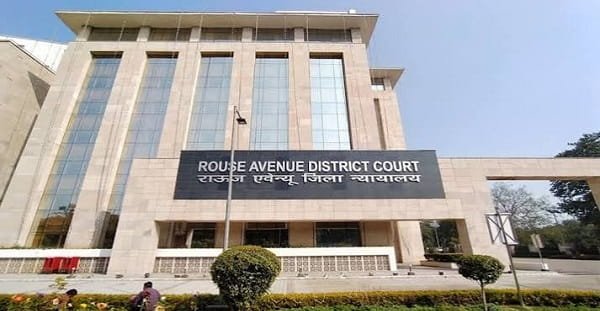
Located in central New Delhi, Rouse Avenue District Court Complex is a modern judicial facility known particularly for courts dealing with CBI corruption cases, labour and industrial matters, and other specially assigned cases. Established in 2019, the multi-storey complex was designed with modern courtrooms, administrative branches, lawyers’ facilities and basement parking.
Rouse Avenue District Court Complex Overview
| Particular | Details |
| Full name | Rouse Avenue District Court Complex |
| Common name | Rouse Avenue Court |
| Location | Rouse Avenue Institutional Area, New Delhi |
| General address | Rouse Avenue District Courts, Pandit Deen Dayal Upadhyaya Marg, New Delhi 110002 |
| Type of place | District and special-court complex |
| Established | 8 April 2019 |
| Nearest metro station | ITO Metro Station |
| Metro line | Violet Line |
| Nearest local railway station | Tilak Bridge Railway Station |
| Nearest major railway station | New Delhi Railway Station |
| Main bus stops | Mata Sundari College and Mata Sundari Mor Woman Court |
| Main road | Pandit Deen Dayal Upadhyaya Marg |
| Nearby areas | ITO, Mandi House, Bengali Market, Delhi Gate and Connaught Place |
| Nearby landmarks | Mata Sundari College, Bal Bhawan and Gandhi Peace Foundation |
Location of Rouse Avenue District Court Complex
Rouse Avenue District Court Complex is situated on Pandit Deen Dayal Upadhyaya Marg, commonly shortened to DDU Marg, in central New Delhi. It forms part of the Rouse Avenue Institutional Area and stands close to Mata Sundari College, ITO and Mandi House.
The location is particularly convenient for people travelling from Central Delhi, East Delhi and the Old Delhi side. ITO lies towards the east, Mandi House is towards the south and southwest, while Delhi Gate and Daryaganj can be approached through the Violet Line and nearby roads.
The court should not be confused with Patiala House Courts near India Gate or Tis Hazari Courts in North Delhi. Rouse Avenue is a separate judicial complex with its own courtrooms, administrative branches and case listings.
Rouse Avenue District Court Complex Address
The commonly used address is: Rouse Avenue District Courts, Pandit Deen Dayal Upadhyaya Marg, New Delhi, Delhi 110002
Official Delhi court documents also use the address Rouse Avenue District Courts, DDU Marg, New Delhi 110002. The Delhi State Legal Services Authority office within the building is located on the third floor of the same complex.
As the building contains numerous courtrooms and departments, visitors should confirm:
- Case number and courtroom number
- Name of the concerned court or judge
- Floor and branch to be visited
- Hearing date and reporting time
- Name and contact details of the advocate
The Delhi District Courts website allows users to check case status using information such as case number, FIR number, party name, advocate name or filing number. Court allocation can change, so checking the latest cause list before travelling is advisable.
Connectivity to Rouse Avenue District Court Complex
The court complex has strong metro, bus, railway and road connectivity. Metro travel is generally the most convenient option because parking and traffic conditions can become difficult during court working hours.
1. Metro Connectivity
ITO Metro Station on the Violet Line is the nearest metro station. Delhi Metro lists Rouse Avenue Court approximately 0.7 kilometres from ITO station, with an estimated walking time of about nine minutes.
Gate No. 1 of ITO Metro Station opens towards Mata Sundari College and the Gandhi Peace Foundation side. From there, visitors can walk along the connecting roads towards DDU Marg and the court complex.
The Violet Line offers direct connectivity towards Delhi Gate, Jama Masjid, Kashmere Gate, Mandi House, Central Secretariat, Lajpat Nagar, Kalkaji Mandir and Faridabad.
Mandi House Metro Station is another useful option. It is an interchange between the Blue and Violet lines and may be convenient for passengers arriving from Noida, Dwarka, Rajiv Chowk or East Delhi. However, the walk from Mandi House is generally longer than the route from ITO.
2. Railway Connectivity
Tilak Bridge Railway Station is the nearest local railway station. Public-transport information places it within approximately an eight-minute walk of the court complex. It mainly serves suburban and local railway services rather than functioning as a major long-distance terminal.
New Delhi Railway Station is the nearest major railway terminal for many intercity passengers. Visitors can continue from the station by taxi, auto-rickshaw or metro. The road route generally passes through Connaught Place, Minto Road or DDU Marg.
Passengers arriving at Old Delhi Railway Station can use the Violet Line from Kashmere Gate to ITO.
3. Bus Connectivity
The closest bus stops are Mata Sundari College on DDU Marg and Mata Sundari Mor Woman Court. Both are only a short walk from the courthouse entrance. Bus services through this corridor connect the area with Anand Vihar, Shahdara, Rajiv Chowk and other parts of Delhi.
Visitors should check the destination board because routes and stopping arrangements may change. The name “Mata Sundari College” may be more familiar to bus conductors than the complete court address.
4. Road Connectivity
Pandit Deen Dayal Upadhyaya Marg provides direct road access to the complex. It connects the Rouse Avenue area with ITO, Minto Road, Connaught Place and central Delhi.
Travellers arriving from East Delhi may approach through ITO or Vikas Marg. Those coming from South Delhi can use routes through Mandi House, Barakhamba Road or India Gate. From Old Delhi, common approaches pass through Delhi Gate and Bahadur Shah Zafar Marg.
Traffic may become slow during morning court hours, evening office traffic and major events in central Delhi.
5. Auto-Rickshaws, Cabs and Parking
Auto-rickshaws and taxis are available around ITO, Mandi House and New Delhi Railway Station. App-based cabs can drop visitors near the authorised public entrance.
The complex was designed with basement parking, but visitors should not assume that unrestricted parking will be available. Entry may depend on security regulations, official permission and available capacity. Public transport is usually the simpler option.
Courts and Visitor Facilities
Rouse Avenue District Court was established on 8 April 2019. The original facility was designed with eight storeys, 42 courtrooms and modern infrastructure. It initially catered mainly to Prevention of Corruption Act cases investigated by the CBI and labour or industrial matters from across Delhi.
The building also includes administrative branches, waiting areas, legal-aid facilities, security screening and filing-related services. The Delhi State Legal Services Authority operates from the third floor and provides assistance connected with free legal services.
Visitors should arrive early because checking the courtroom, passing security and locating the correct branch may take time.
Nearby Areas Around Rouse Avenue District Court Complex
1. ITO
ITO is one of Delhi’s major government and office districts. It provides Violet Line metro access and road connections towards East Delhi, Delhi Gate and central New Delhi.
2. Mandi House
Mandi House is known for theatres, cultural institutions, government offices and its interchange metro station. It is located a short road journey from the court.
3. Bengali Market
Bengali Market lies southwest of Rouse Avenue. It is a well-known residential and food district close to Mandi House and Connaught Place.
4. Delhi Gate
Delhi Gate is located towards the Old Delhi side and is directly connected with ITO through the Violet Line.
5. Connaught Place
Connaught Place is one of New Delhi’s main commercial districts. It can be reached through Minto Road, Barakhamba Road or the metro network.
Frequently Asked Questions
Q: Can anyone enter Rouse Avenue District Court Complex?
A: People with legitimate court-related work may enter after security screening. Carrying a valid photo identity document and relevant case papers is advisable.
Q: Are mobile phones permitted inside the court?
A: Mobile phones may be allowed in common areas, but photography, video recording and phone use inside courtrooms may be prohibited or restricted. Visitors should follow security and courtroom instructions.
Q: Where can a visitor obtain free legal assistance?
A: The Delhi State Legal Services Authority operates from the third floor of the complex and provides legal-aid support to eligible persons. Its legal-aid helpline information is also available through DSLSA.
Q: How early should a person arrive before a hearing?
A: Arriving at least 30 minutes early is sensible. Extra time may be required for security screening, checking the cause list and finding the correct courtroom.