Two people can own similar cars and still pay noticeably different comprehensive insurance premiums. Even the same car can cost more or less to insure at renewal depending on its age, insured value, previous claims, location and the add-ons selected.
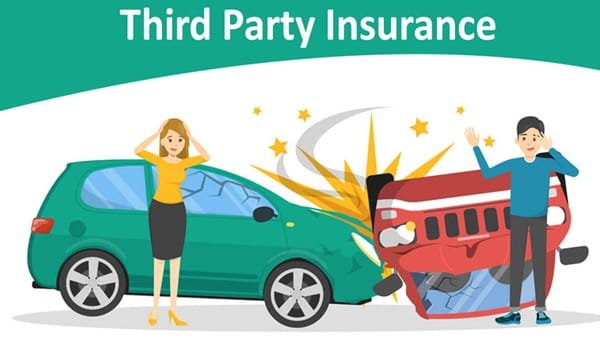
A comprehensive car insurance premium broadly contains two major parts: third-party liability premium and own-damage premium. The third-party component follows the applicable regulatory structure, while insurers have considerably more flexibility in pricing the own-damage portion according to the risk associated with the vehicle and policyholder.
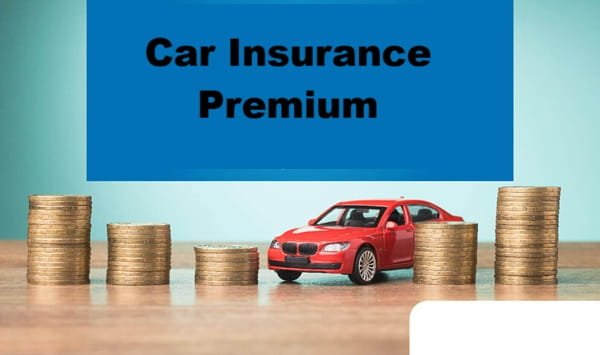
Understanding these factors helps car owners compare policies properly instead of simply choosing the cheapest quote.
How a Comprehensive Car Insurance Premium Is Built
In simplified form:
Comprehensive Premium = Third-Party Premium + Own-Damage Premium + Add-ons – Applicable Discounts + Taxes
The own-damage part covers eligible loss or damage to your vehicle from risks such as accidents, theft, fire and specified natural or man-made events, subject to policy conditions.
This is also the part where premiums can differ significantly between insurers.
1. Insured Declared Value of the Car
One of the biggest factors is the Insured Declared Value, or IDV.
IDV represents the insured value of the vehicle for purposes such as total loss or theft claims. It is generally derived from the manufacturer’s listed selling price after applying depreciation according to the vehicle’s age.
A higher IDV normally produces:
- Higher own-damage premium
- Higher potential settlement in an eligible total-loss or theft claim
A lower IDV can reduce the premium, but deliberately choosing an unrealistically low IDV simply to save a small amount can leave you underinsured.
Typical IDV Depreciation Schedule
The standard schedule traditionally used for fixing IDV includes:
| Vehicle Age | Depreciation for IDV |
| Up to 6 months | 5% |
| 6 months–1 year | 15% |
| 1–2 years | 20% |
| 2–3 years | 30% |
| 3–4 years | 40% |
| 4–5 years | 50% |
For vehicles older than five years and discontinued models, IDV is generally determined by agreement between the insurer and insured.
2. Age of the Vehicle
Car age affects premium in more than one way.
As the vehicle becomes older:
- Its IDV generally falls.
- Some repair risks may increase.
- Certain add-ons may become unavailable or more expensive.
- Parts availability can affect insurer risk assessment.
Therefore, an older vehicle does not always produce a proportionately lower premium merely because its market value has declined.
Insurers evaluate age together with the model, repair cost and claim experience.
3. Make and Model of the Car
A ₹7 lakh hatchback and a ₹50 lakh luxury SUV will not normally have similar own-damage premiums.
Insurers consider factors such as:
- Vehicle value
- Cost of replacement parts
- Repair complexity
- Availability of spare parts
- Claim frequency for the model
- Theft exposure
- Engine specification
A model with expensive headlights, sensors, cameras and body panels can cost substantially more to repair after even a moderate accident.
ICICI Lombard currently identifies make, model, vehicle age and IDV among the factors influencing car insurance pricing.
4. Registration Location
Where the car is registered and primarily used can influence premium.
Insurers assess geographical risk based on considerations such as:
- Accident frequency
- Traffic density
- Theft risk
- Flood exposure
- Repair costs
- Claim experience in the region
A vehicle operating regularly in a highly congested metropolitan area may present a different risk from a similar car in a smaller town.
IRDAI’s policyholder guidance also recognises that general insurance premiums can vary according to the location and severity of the insured risk.
5. Fuel Type and Vehicle Technology
Petrol, diesel, CNG, hybrid and electric vehicles can have different insurance pricing.
The insurer may consider:
- Engine characteristics
- Vehicle value
- Parts cost
- Battery replacement expenses
- Repair technology
- Claim experience
For electric cars, the battery can represent a significant portion of the vehicle’s value. Owners should therefore compare not just the premium but also whether important EV components are adequately covered under the base policy or available add-ons.
6. Previous Claim History
Claim history can have a major effect at renewal.
A policyholder who repeatedly files own-damage claims can lose accumulated discounts and may be viewed differently from someone with several claim-free years.
Even when an insurer offers a competitive renewal quote after a claim, the loss of No Claim Bonus alone can increase the effective premium substantially.
7. No Claim Bonus
The No Claim Bonus, or NCB, rewards policyholders who complete policy years without making an own-damage claim.
The traditional NCB structure for private car insurance progresses as follows:
- One claim-free year: 20%
- Two consecutive years: 25%
- Three consecutive years: 35%
- Four consecutive years: 45%
- Five consecutive years: 50%
NCB applies to the own-damage premium, not the entire comprehensive premium.
This distinction is important.
If your total premium is ₹20,000, a 50% NCB does not necessarily reduce the entire ₹20,000 to ₹10,000.
8. Add-On Covers
Add-ons increase protection but also increase premium.
Popular options include:
- Zero depreciation cover
- Engine protection
- Return to invoice
- Roadside assistance
- Consumables cover
- Key replacement
- NCB protection
- Tyre protection
ICICI Lombard currently offers options including zero depreciation, engine protection, consumables and roadside assistance.
A new car may justify several add-ons, while paying for every available add-on on an older low-value vehicle may not make financial sense.
9. Zero Depreciation Cover Can Increase Premium Significantly
Under a normal motor claim, depreciation may be deducted when certain parts are replaced.
A zero-depreciation add-on reduces or removes specified depreciation deductions according to the policy terms.
It is particularly popular for:
- New cars
- Expensive vehicles
- Cars containing costly plastic and fibre components
Because it can increase the insurer’s claim payout, it comes at an additional premium.
Some insurers also restrict zero-depreciation coverage according to vehicle age or number of claims.
10. Voluntary Deductible
A deductible is the portion of a claim that the policyholder agrees to bear.
Apart from the compulsory deductible under the policy, a customer may sometimes choose a higher voluntary deductible.
For example, you may agree to pay an additional ₹5,000 from your pocket every time an eligible own-damage claim occurs.
In return, the insurer may offer a discount on the own-damage premium.
This can reduce annual premium, but it increases your personal cost whenever you claim.
A very high deductible should therefore not be chosen merely to make the online quote look cheaper.
11. Anti-Theft Devices and Other Discounts
Installing approved anti-theft equipment can qualify for discounts under applicable insurer rules.
The insurer may also consider other permitted factors or discounts based on:
- Security features
- Membership of eligible automobile associations
- Special vehicle modifications for eligible persons
- Product-specific risk programmes
Ask whether the discount is already incorporated in the online quote before purchasing additional equipment purely for insurance savings.
12. Usage-Based Insurance Can Change the Cost
Some insurers now offer motor products or add-ons based partly on vehicle usage.
These may be marketed using names such as:
- Pay As You Drive
- Pay How You Drive
- Usage-based insurance
A car that travels only a few thousand kilometres per year may therefore qualify for a different pricing structure than one used extensively every day.
ICICI Lombard, for example, currently offers a Pay As You Drive option among its motor add-ons.
Always check mileage limits and what happens if the chosen usage band is exceeded.
13. Optional Accessories and Modifications
Expensive electrical or non-electrical accessories can increase insured value and premium when specifically declared and covered.
Examples can include:
- Aftermarket infotainment systems
- Special lighting
- Expensive audio equipment
- Certain approved modifications
Undeclared modifications can also create claim complications.
Inform the insurer when making significant changes to the car.
14. Different Insurers Can Quote Different Premiums
The third-party portion may follow applicable regulatory rates, but own-damage pricing can differ among insurers.
For the same car and broadly similar cover, insurers may quote differently because of their:
- Claims experience
- Risk model
- Repair network
- Pricing strategy
- Discounts
- Add-on pricing
This is why renewal quotes should be compared every year.
However, compare policies using the same:
- IDV
- Add-ons
- Deductible
- NCB
- Coverage terms
Otherwise, the cheapest quote may simply provide less protection.
How to Reduce Car Insurance Premium Without Losing Important Cover
Useful approaches include:
- Preserve NCB by avoiding very small claims when financially sensible.
- Compare insurers at every renewal.
- Select only useful add-ons.
- Consider a reasonable voluntary deductible.
- Maintain an appropriate IDV.
- Explore usage-based plans if annual driving is genuinely low.
- Renew on time to avoid coverage gaps and NCB complications.
Saving ₹1,500 on premium is not worthwhile if it creates a ₹50,000 gap during a major claim.
Conclusion
Your annual comprehensive car insurance premium is mainly influenced by the car’s IDV, age, make and model, location, claim history, NCB, deductible and selected add-ons. Compare equivalent coverage rather than choosing the lowest quote, because a cheaper policy can also mean a lower IDV or fewer benefits.
FAQs
1. Does one small claim always make car insurance expensive next year?
A claim can affect NCB and therefore increase the effective renewal premium. Whether filing a small claim makes sense depends on the repair amount, deductible and NCB you could lose.
2. Does lowering IDV always reduce the premium?
It generally reduces the own-damage premium, but it can also reduce the amount available in an eligible total-loss or theft claim. IDV should remain reasonably aligned with the car’s insured value.
3. Why are two insurers quoting different premiums for exactly the same car?
Own-damage pricing is insurer-specific. Each insurer considers its claims experience, vehicle risk, location, discounts and add-on pricing differently. Compare both quotes using the same IDV and coverage before deciding.
4. Does a 50% NCB mean a 50% discount on my final car insurance bill?
No. NCB applies to the own-damage portion of the premium, not generally to third-party premium, add-ons or taxes.